

In July 2017, we opened a window at Mas Doix—a window to show you our day-to-day life in the vineyards and the winery—and today we send you the 100th edition. Thank you for following us! The Newsletter is also a channel to bring you closer to our reflections and analyses. Everything that happens in the vineyard and the winery is reflected in our wines, and sharing this knowledge also helps to understand them better. Today we are publishing a special edition to recall the most important things that have happened to us over these almost 9 years, and above all, to see them with the perspective of the passage of time. During these 9 trips around the sun, we have learned many things that help us improve, grow, and, little by little, show more and more the essence of our terroir through our wines.
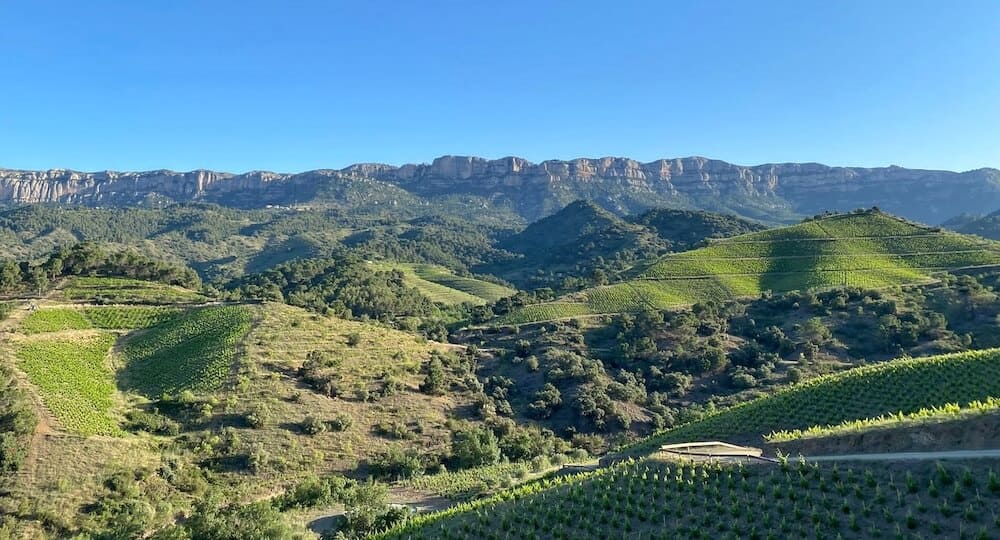
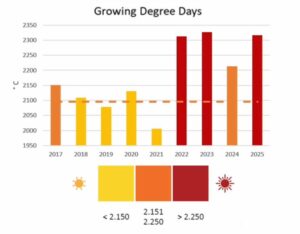
Since the 2017 harvest, we have been sharing how the climate affects our vineyard and wines. Over these 9 years, we have experienced vintages of all kinds, reaching extremes we could never have imagined, and above all, making evident the climate change that is reshaping the paradigm of viticulture in our region. Rising temperatures
The year 2022 marked a radical shift, and since then, temperatures have not returned to the “normal” values from just five years ago. The trend of global temperature increase has become evident.
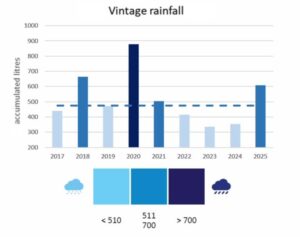
After an exceptionally rainy 2018 and especially 2020 (with storm Glòria), 2022 confirmed the beginning of a severe drought that lasted 4 years and was not definitively reversed until 2025.
Humid spring, dry summer and harvest. High temperatures. Wines with a ripe profile, structured and rounded.
A rainy year, including during harvest. Average temperatures. Spicy and mineral wines, fresh and tense.
Dry year, high temperatures. Significant heatwave in June. Highly concentrated, robust, and flavorful wines.
Very rainy winter and spring. Very dry summer and harvest. High temperatures. Expressive, fragrant wines. Light and with tension.
Little rainfall but very well distributed. Cold year. Intense, fresh, mineral, and fruity wines. Great aging potential.
Dry and very hot year. Some water stress. Mediterranean-style wines, light and balanced.
Dry and very hot year, but with rain at the right moments. Very fruity and intense, generous wines.
Dry and hot year. Rain arrives mid-harvest. Concentrated, deep, and structured wines.
Rainy spring and autumn. Dry summer. Very high temperatures, especially in summer. Fruity, expressive, structured, and very fresh wines. And now with 2026 just peeking around the corner—we’ll soon share how it has started!
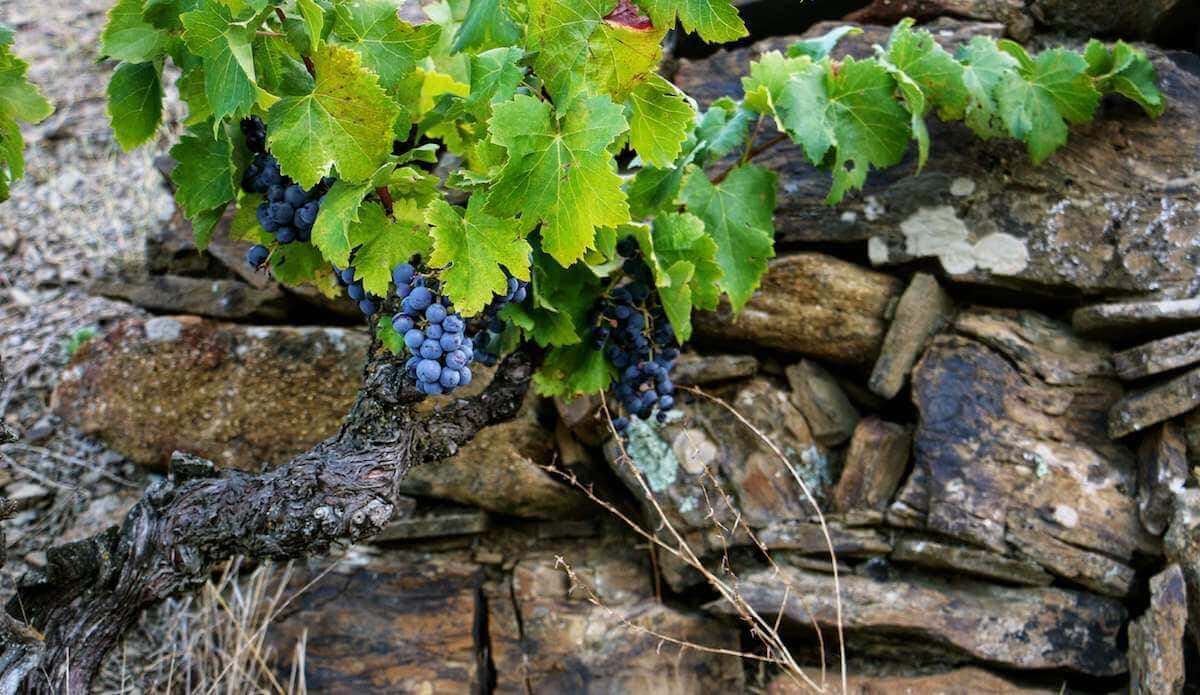
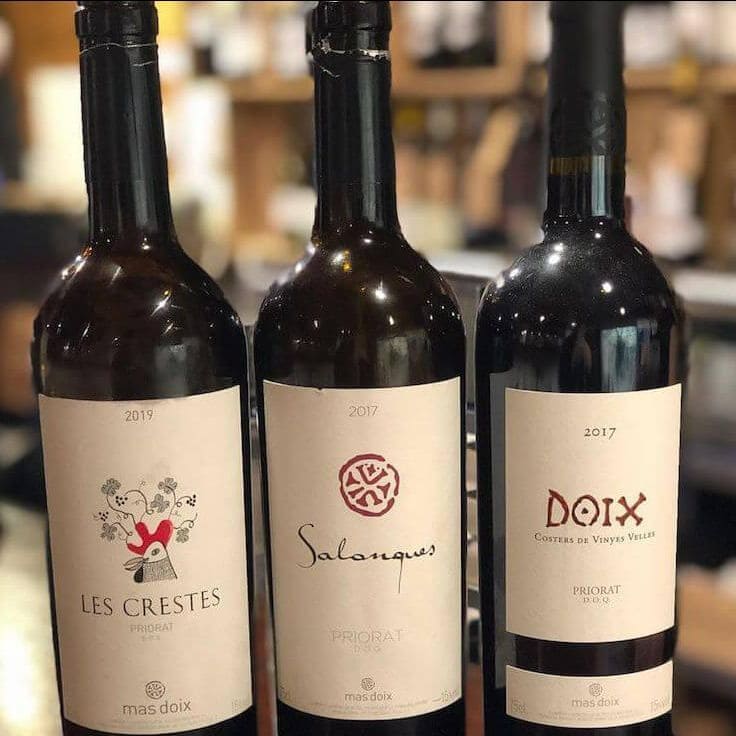
Each wine tells a story, a vital moment. A wine is the result of vineyards planted at a specific time, and each has its own story and characteristics: location, slope, grape varieties, microclimate, soil… To all of this we add the work in the winery, where we have different materials to ferment and age the wines, and not forgetting the attention and care of the entire Mas Doix team. Every new wine is a statement of intentions, a message we want to convey in the glass, on the label, and through its name. It is about showing a new face and perspective of this multifaceted and diverse Priorat. Each bottle is a manifesto of a specific purpose. In 2017, we arrived with almost 20 years of winemaking experience and four wines in our portfolio: DOIX (since 1999), Salanques (since 2000), Les Crestes (since 2007), and 1902 (since 2009). At this point, a new stage began in which we started presenting new projects and expanding our range.
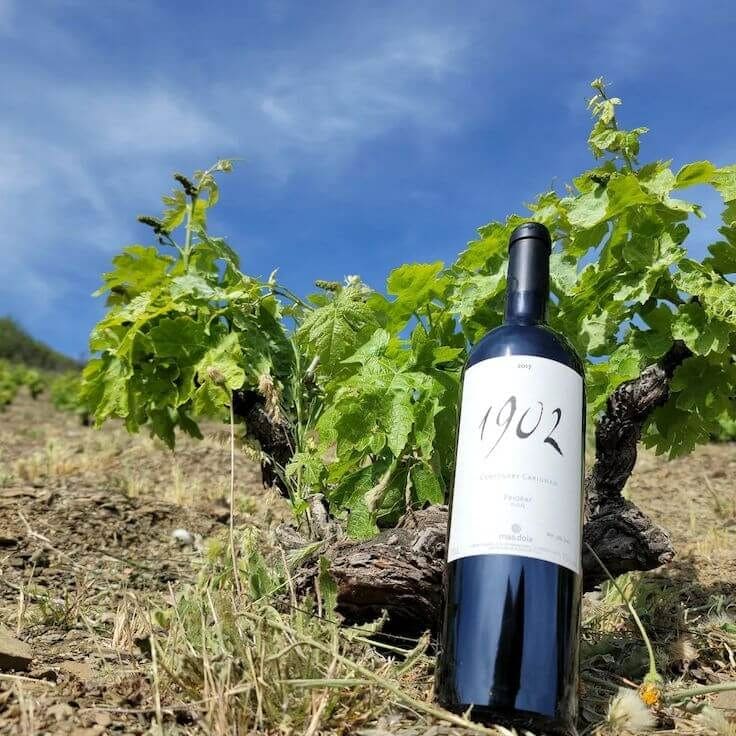
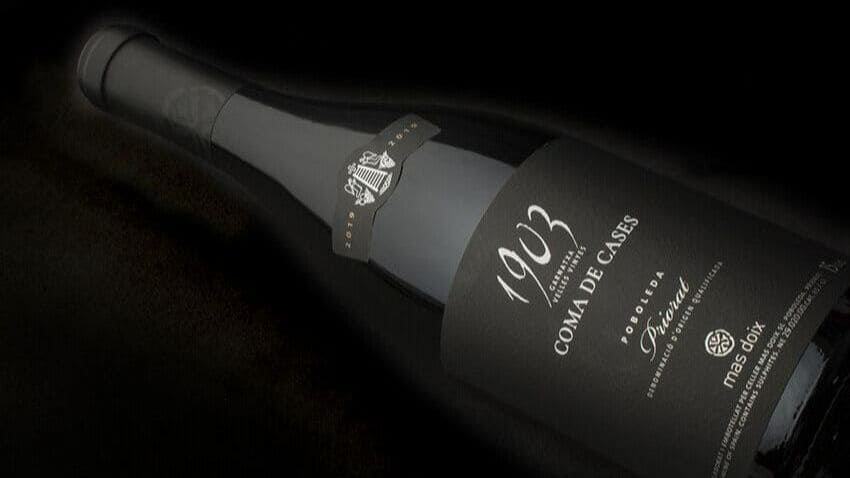
In 2017, we introduced the 1903 Coma de Cases 2015, a single-vineyard wine, 100% Garnacha, created as a counterpart and mirror to our 1902 Tossal d’en Bou, 100% Cariñena. These wines express the limits and essence of the two most important grape varieties in Priorat. The 2020 vintage was awarded the Classified Vineyard (V.C.) designation.
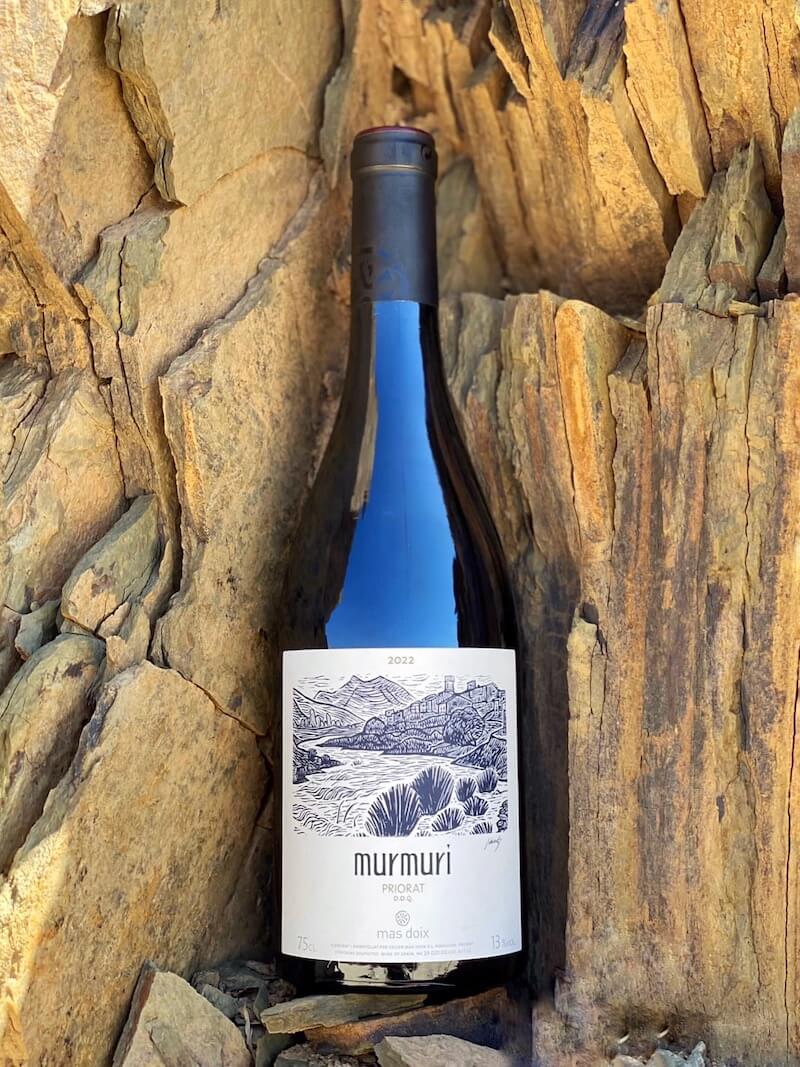
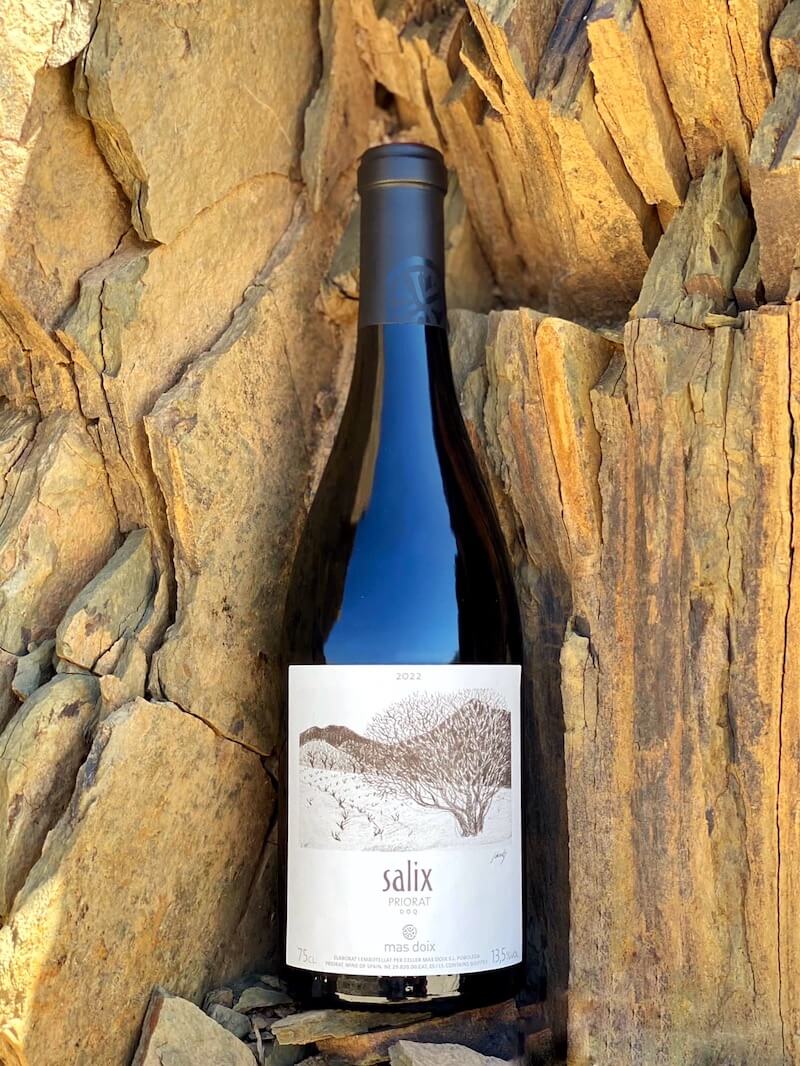
Murmuri 2018, the first white wine we released to the market. Fresh and saline, a new take on Priorat whites, with no oak, reflecting the “murmur” of the Siurana River in Poboleda. Salix 2019, the white inspired by the winery’s earliest white wine trials (2007–2008), made from old vines with a touch of Pedro Ximénez. A complex, subtle white with great aging potential, to enjoy now and in the future. Salix, Latin for “willow,” the tree that accompanies us along the banks of the Siurana River.
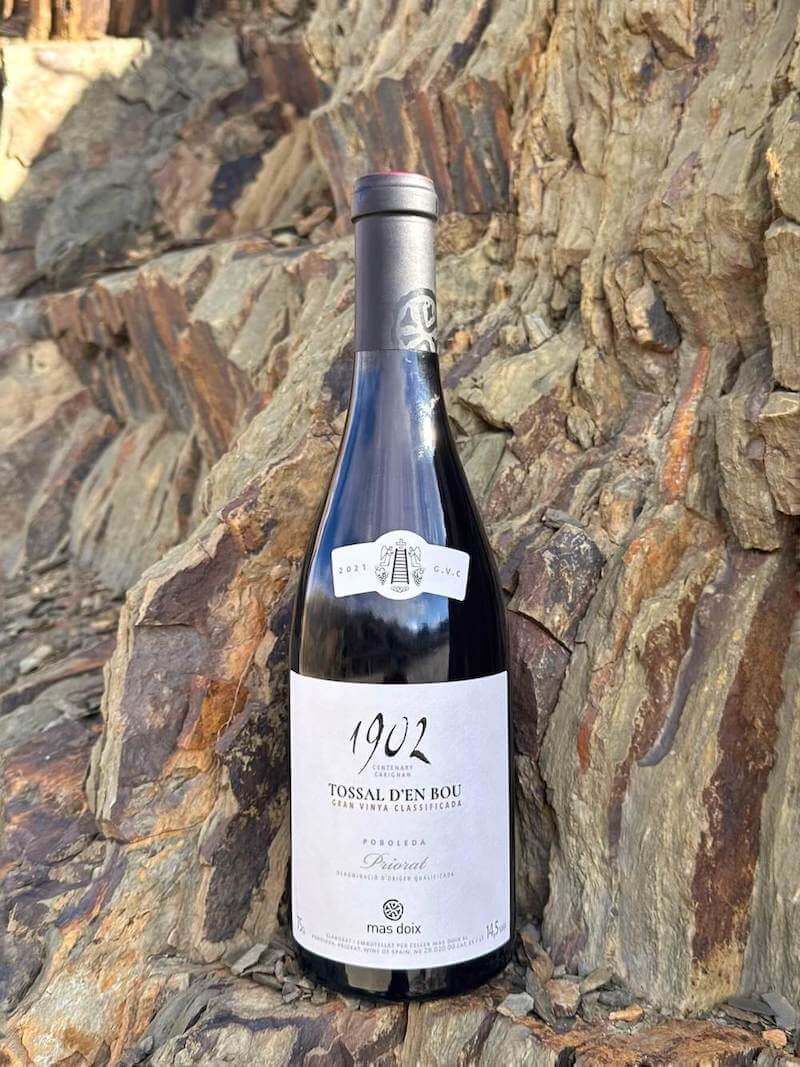
The 1902 – Tossal d’en Bou from the 2019 vintage was awarded the Grand Classified Vineyard (G.V.C.)designation. Mas Doix is one of only two wineries in Priorat to have both a G.V.C. wine and a V.C. wine.
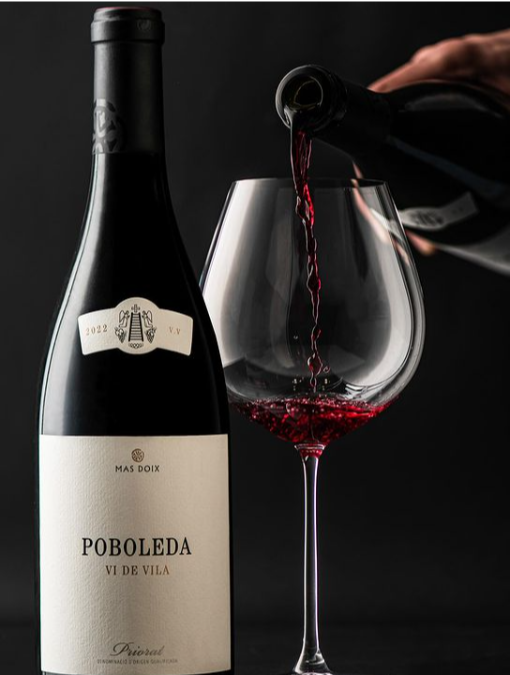
In 2023, we introduced our Poboleda Vi de Vila 2022, a tribute to our village and its unique Garnachas, aged in concrete tanks, thus reviving a material that has been present in our region since the 19th century.
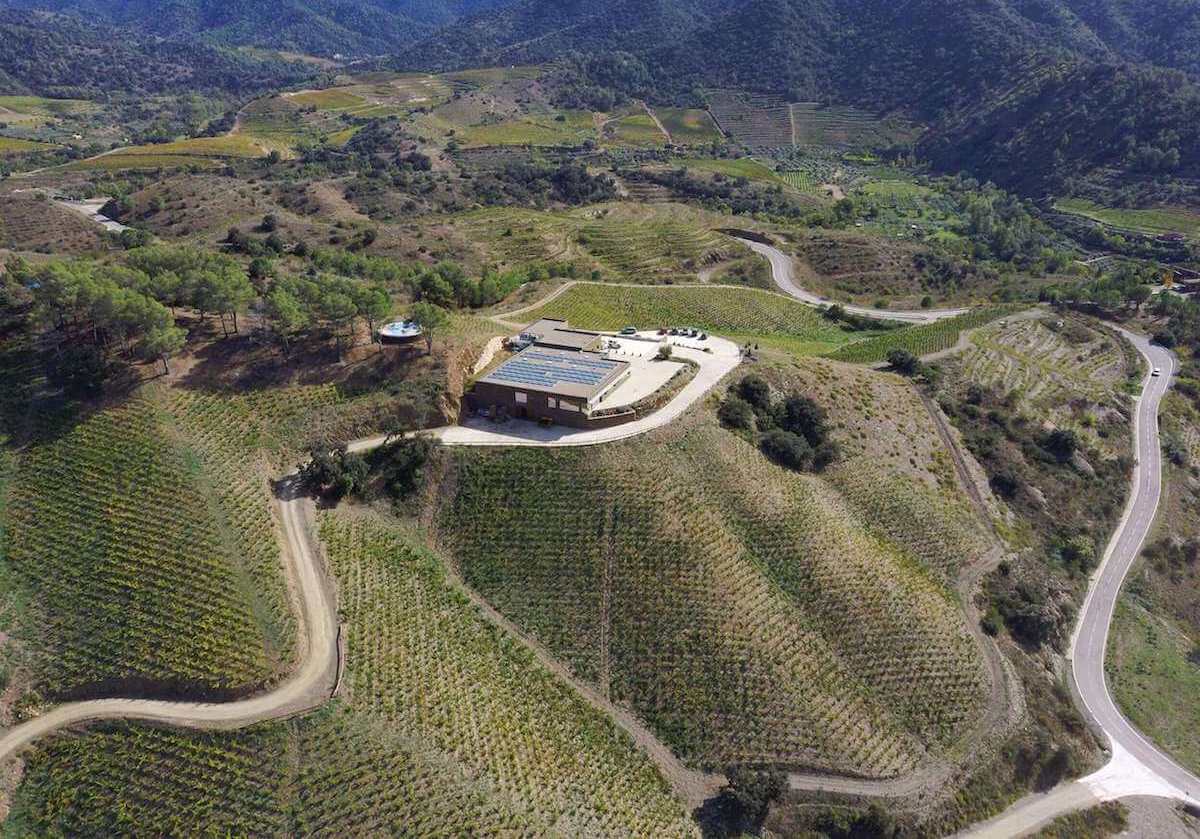
To create wines that truly express a territory, one must feel rooted and connected to it. Winemaking must be done with feet on the ground, with a vision for the future, and with the desire to share it with everyone who wants to approach. The construction of the new Les Forestes cellar in 2019 symbolizes this rootedness and commitment—a statement of belonging to Poboleda and everything that entails. A cellar to continue improving day by day and to consolidate an idea, a way of doing things. Once again, a cellar as a declaration of intentions. A cellar integrated into the landscape, self-sufficient, and sustainable in terms of water and energy.
We will continue working with enthusiasm to reach the 200th edition! If you would like to share your opinion or any suggestions for improvement, we would be very grateful.